The remnant saved by the “old” covenant is symbolised in Revelation by the 144,000 sealed; those saved by the “new” covenant in Jesus (who offers himself as a new Passover lamb and by so doing reveals his understanding of God’s plan, and is therefore alone worthy to open the seals hiding the scroll of history) is represented by the “great crowd” (Revelation 7:9). Both are symbolised by the 24 elders seen in the initial tableau beyond the door opened onto Heaven for John at the beginning of Revelation. The “old” covenants are brought about by physical movement from an old geographical place to a new one: to Ararat, Haran, Sinai, Gilgal and Jerusalem. The ”new” covenant is effected by Jesus’ physical passing into Heaven at his Ascension.
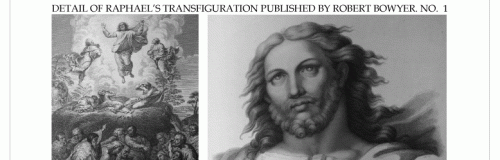
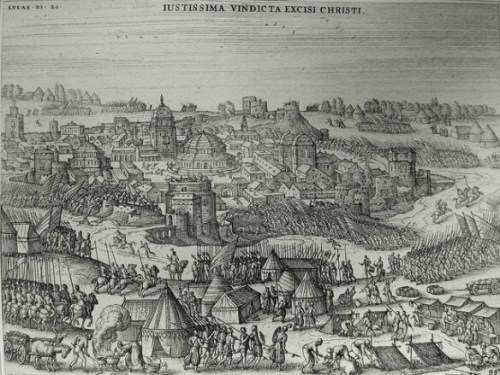
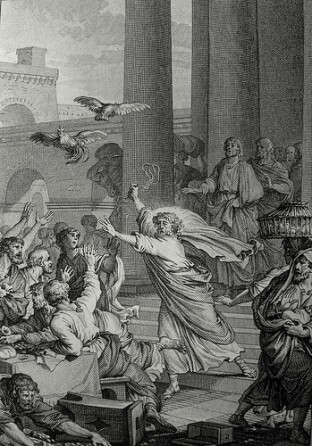
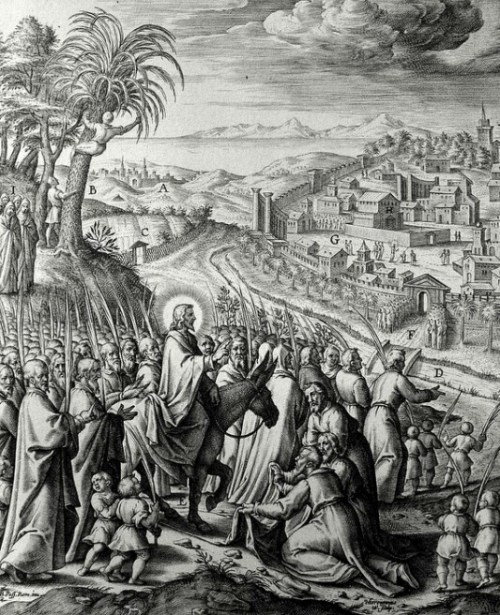
Robert Bowyer (d.1834) expanded his copy of the Macklin Bible by inserting over 6200 prints. The Bowyer Bible is housed in Bolton Museum. For the prints, see https://archive.org/details/bowyer-bible For Phillip Medhurst’s interpretation of the Revelation, see https://archive.org/details/The_Apocalypse_Revealed




 Phillip Medhurst